

I’ll create a blog post about Traditional Pirate Tattoos following the specified guidelines:
The world of traditional pirate tattoos is a fascinating blend of maritime history, personal expression, and cultural symbolism that has captivated sailors, adventurers, and tattoo enthusiasts for centuries. These intricate designs tell stories of voyages, superstitions, and the rugged life at sea, each mark carrying a deep significance that goes far beyond mere decoration.
Origins of Pirate Tattoo Artistry
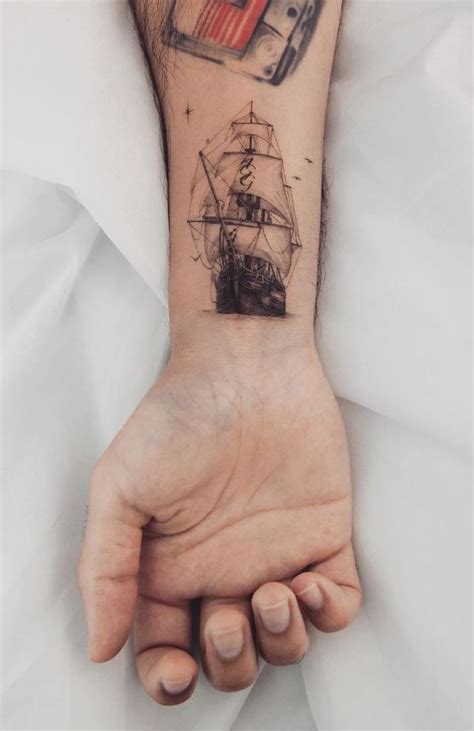
Pirate tattoos emerged from a rich maritime tradition that dates back to ancient seafaring cultures. Sailors and pirates began using tattoos as a form of personal identification, storytelling, and protection during long and treacherous voyages. The practice was particularly prevalent among sailors who traveled to exotic locations, collecting tattoos as souvenirs and symbols of their experiences.
| Traditional Tattoo Symbol | Meaning | Significance |
|---|---|---|
| Anchor | Stability and Hope | Represents a sailor's connection to home and safety |
| Swallow | Successful Voyage | Symbolized 5,000 nautical miles traveled |
| Nautical Star | Navigation | Guided sailors home and represented direction in life |
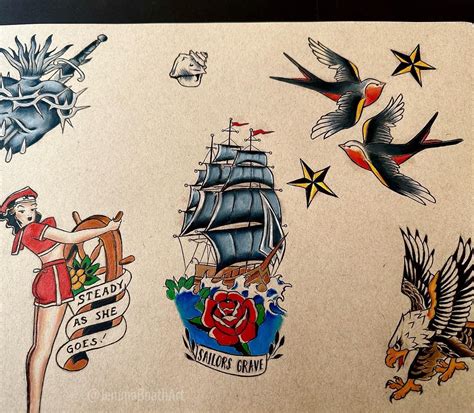
Iconic Pirate Tattoo Designs
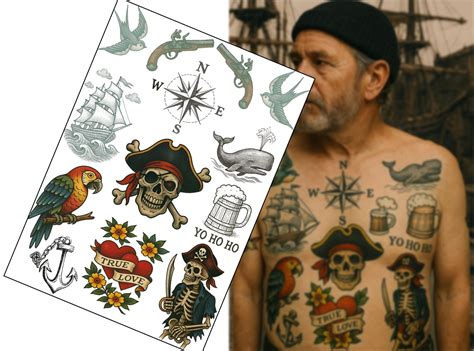
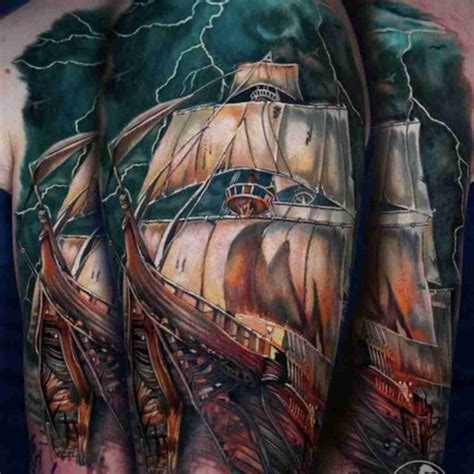
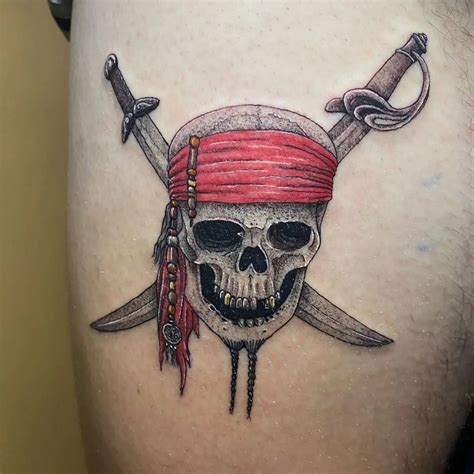
The most recognizable traditional pirate tattoos often featured bold, vibrant designs that told stories of maritime life. Some of the most popular motifs included:
- Nautical Imagery: Ships, compasses, and maritime landscapes
- Mythological Creatures: Mermaids, sea monsters, and mythical beings
- Symbolic Representations: Anchors, crosses, and navigational tools
Cultural Significance of Maritime Tattoos

These tattoos were more than just decorative art; they were living documents of a sailor’s journey. Each design carried specific meanings that could communicate a pirate’s experiences, rank, and personal achievements. Some tattoos served as talismans, believed to bring good luck or protect against the dangers of the sea.
🏴☠️ Note: Many traditional pirate tattoos were hand-poked using rudimentary tools, making each design a testament to the sailor's endurance and commitment.
Techniques and Styles

Traditional pirate tattoos typically employed a distinct style characterized by:
- Bold, thick black lines
- Limited but vibrant color palette
- Simple, iconic imagery
- Minimal shading and detail
The art form was heavily influenced by the limited tattoo equipment available during the golden age of piracy, which required artists to create powerful designs with minimal resources.
Today, these historical tattoo designs continue to inspire modern tattoo artists and enthusiasts. The raw, unfiltered aesthetic of traditional pirate tattoos represents a connection to a romanticized era of maritime adventure, rebellion, and personal freedom.
What were the most common pirate tattoo symbols?
+
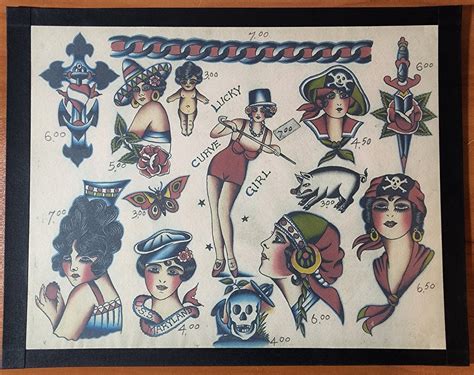
Anchors, swallows, nautical stars, ships, and compasses were among the most prevalent symbols in traditional pirate tattoos.
Did all pirates have tattoos?
+
Not all pirates had tattoos, but they were common among sailors and maritime workers as a way to document travels and personal experiences.
How were traditional pirate tattoos created?
+
Most traditional pirate tattoos were hand-poked using rudimentary tools like needles and natural pigments, often performed by fellow sailors or specialized tattoo artists in port cities.