
I’ll help you create a blog post about tattoo numbing cream downsides based on Reddit discussions. I’ll first use WebSearch to gather some insights. I’ll try another search approach: Based on the search results, I’ll craft the blog post about tattoo numbing cream downsides:
The world of tattoo numbing creams is a complex landscape of pain relief and potential pitfalls. While these topical anesthetics promise to make your ink experience more comfortable, they come with a series of unexpected challenges that every tattoo enthusiast should understand before application.
Understanding Tattoo Numbing Creams
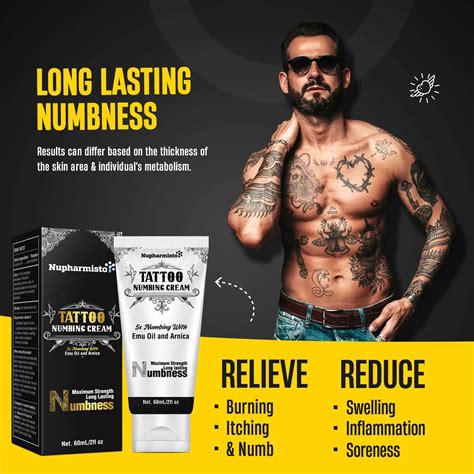
Tattoo numbing creams are topical anesthetics designed to reduce pain during the tattooing process. Typically containing active ingredients like lidocaine, prilocaine, or benzocaine, these creams work by temporarily blocking pain signals in the skin’s nerve endings. However, the reality of their effectiveness is far more nuanced than most people realize.
The Hidden Downsides of Numbing Creams
While the promise of pain reduction sounds appealing, several significant drawbacks can compromise your tattoo experience:
1. Inconsistent Pain Relief
Numbing creams are not a magical solution. Most users report only partial pain reduction, with the cream typically lowering pain intensity from a sharp 10 to a more manageable level. Some areas of the body, especially those with thicker skin like the ribcage or elbows, may experience minimal numbing effects.
2. Short-Term Effectiveness
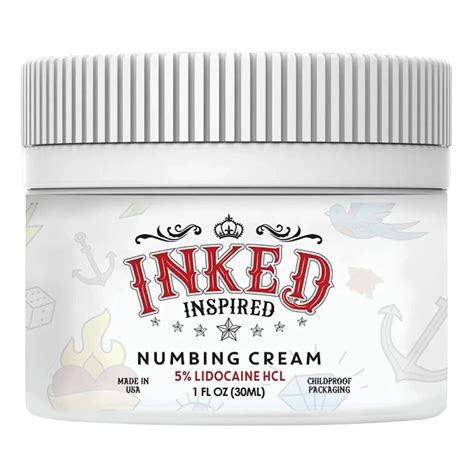
The numbing effect is frustratingly temporary. Most creams only provide relief for 1-3 hours, which can be problematic for larger tattoos requiring extended sessions. As the numbness wears off, clients often experience a sudden and more intense pain sensation that can be more uncomfortable than the original tattooing process.
3. Potential Skin Complications
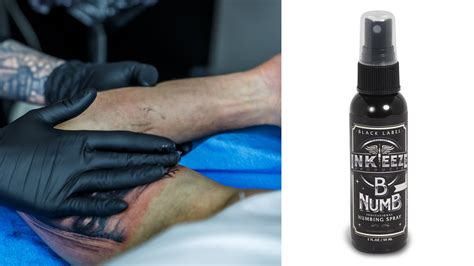
Numbing creams can create unexpected challenges for tattoo artists:
- Skin texture changes: The cream can make skin rubbery and swollen
- Ink absorption issues: Altered skin texture can interfere with proper ink penetration
- Potential allergic reactions: Some individuals experience redness, itching, or swelling
4. Artist Resistance
Many experienced tattoo artists actively discourage the use of numbing creams. The reasons are multifaceted:
- Creams can create a barrier that makes needle penetration uneven
- Altered skin texture affects line work and shading precision
- Pain serves as a natural indicator for the artist’s technique
⚠️ Note: Always consult your tattoo artist before using any numbing cream. Some professionals may refuse to work on skin that has been pre-treated.
5. Medical Considerations
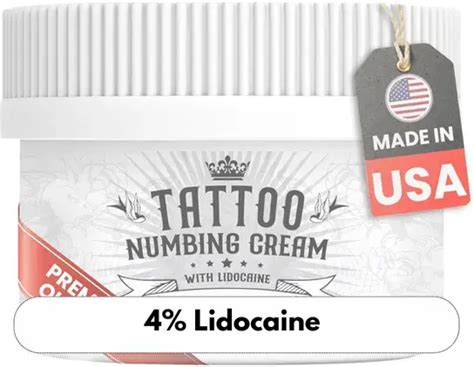
Not everyone can safely use numbing creams. Individuals with specific medical conditions, particularly heart or liver issues, should avoid these products. The epinephrine in some creams can cause complications like increased heart rate and skin blanching.
Safe Application Guidelines
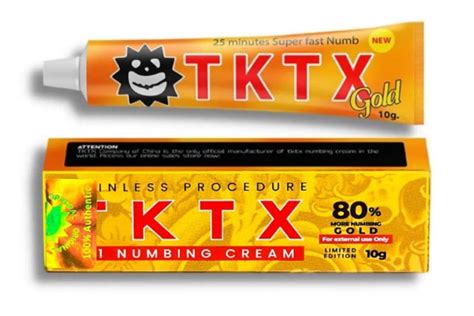
If you’re still considering using a numbing cream, follow these crucial steps:
- Perform a patch test 24 hours before your tattoo
- Follow product instructions precisely
- Discuss usage with your tattoo artist beforehand
- Choose creams with minimal additional chemicals
Ultimately, while numbing creams might seem like an attractive solution, they often create more problems than they solve. Experienced tattoo enthusiasts recommend embracing the process, practicing breathing techniques, and understanding that a little discomfort is part of the transformative tattoo experience.
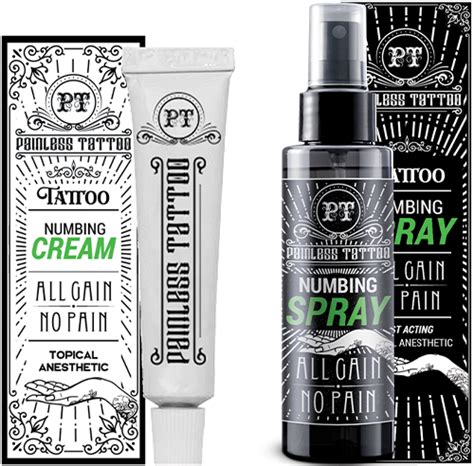
Do numbing creams completely eliminate tattoo pain?
+
No, numbing creams typically reduce pain intensity but do not completely eliminate sensation. Most users report a significant reduction in pain, not total numbness.
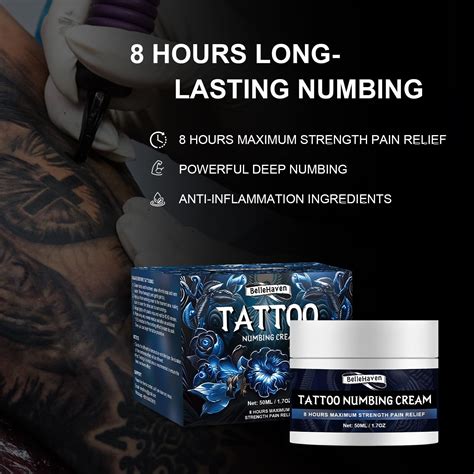
How long do numbing creams typically work?
+
Most numbing creams are effective for 1-3 hours, which may not cover the entire duration of larger tattoo sessions.
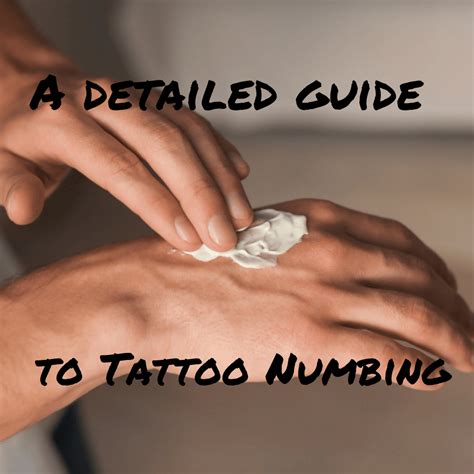
Can numbing creams affect tattoo quality?
+
Yes, numbing creams can alter skin texture, potentially making it more difficult for tattoo artists to create precise lines and achieve optimal ink absorption.