
I’ll create a blog post about Japanese Sleeve Tattoos following the specified guidelines:
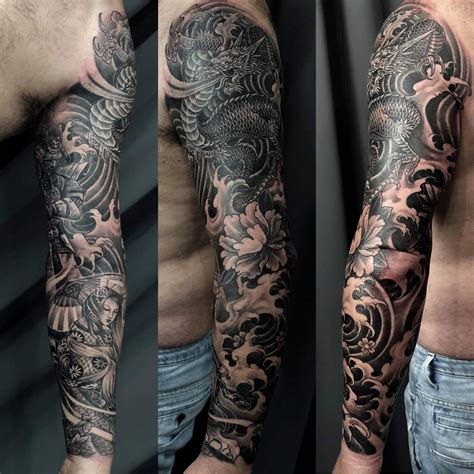
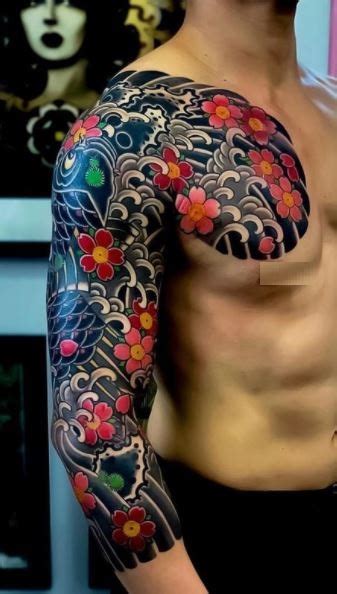
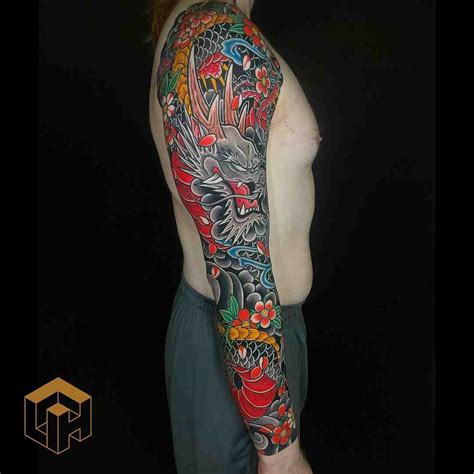
Japanese sleeve tattoos represent a breathtaking fusion of cultural artistry and personal expression, transforming the human body into a canvas of intricate storytelling and symbolic meaning. These elaborate designs, known as irezumi, have evolved from traditional Japanese tattooing techniques into a globally celebrated art form that captures the imagination of tattoo enthusiasts worldwide.
The Rich History of Japanese Sleeve Tattoos
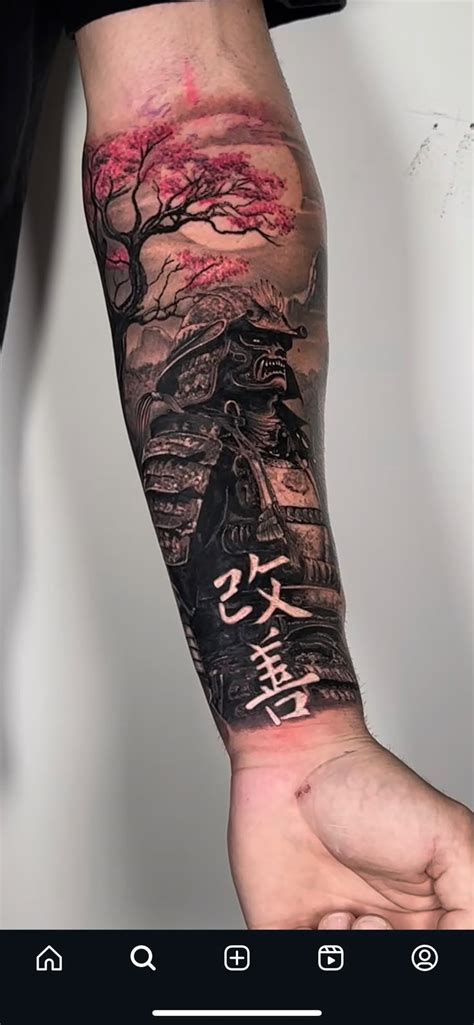
The origins of Japanese sleeve tattoos trace back to the Edo period (1603-1867), where they were initially associated with firemen, laborers, and members of the yakuza. Traditional Japanese tattooing was more than mere decoration – it was a complex language of symbolism and personal narrative. Each element carefully chosen to represent:
- Personal struggles
- Spiritual beliefs
- Cultural heritage
- Mythological connections
Iconic Motifs in Japanese Sleeve Tattoos
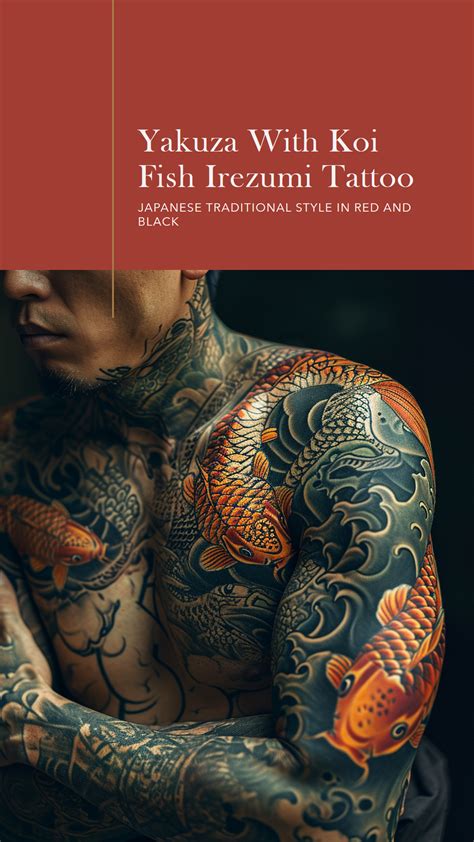
The most compelling Japanese sleeve tattoos incorporate a rich tapestry of traditional imagery. Legendary creatures and symbolic elements play a crucial role in creating meaningful designs:
| Motif | Symbolic Meaning |
|---|---|
| Koi Fish | Perseverance, strength, and transformation |
| Dragon | Power, wisdom, and protection |
| Cherry Blossoms | Transience of life, beauty, and renewal |
Design Techniques and Considerations
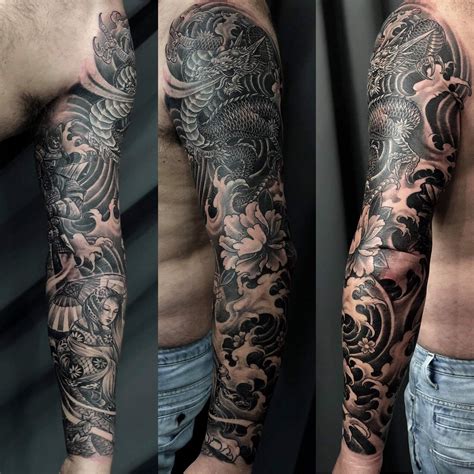
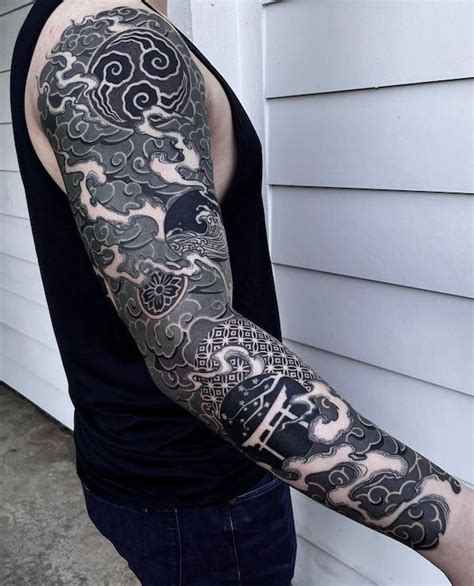
Creating a Japanese sleeve tattoo requires exceptional skill and deep cultural understanding. Artists typically employ several distinctive techniques:
- Tebori - traditional hand-poked tattooing method
- Intricate color gradients
- Flowing, narrative-like compositions
- Extensive use of negative space
Choosing the Right Design
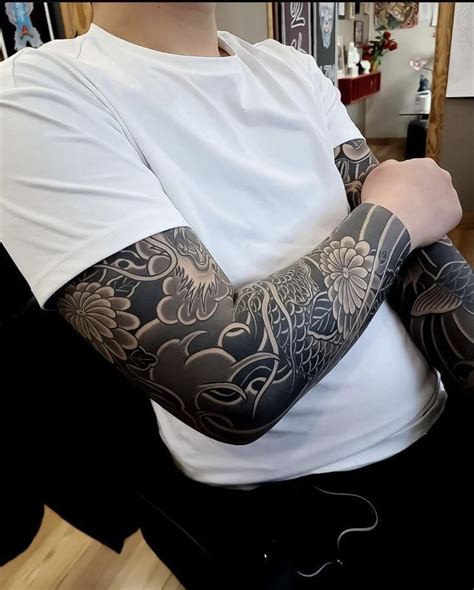
When selecting a Japanese sleeve tattoo, consider personal connection and cultural respect. Research and consultation with experienced artists are crucial to creating a meaningful design that resonates with your personal story.
🖌️ Note: Always work with an artist who understands the deep cultural significance of Japanese tattoo art.
Modern Interpretations of Japanese Sleeve Tattoos
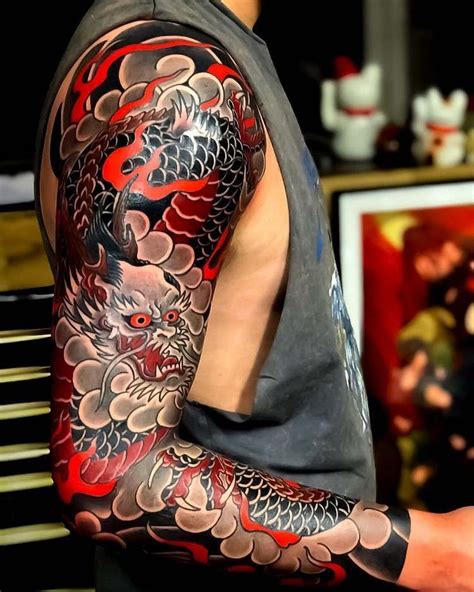
Contemporary tattoo artists have expanded traditional Japanese tattoo techniques, blending classic motifs with modern artistic styles. This evolution has made Japanese sleeve tattoos more accessible while maintaining their profound cultural roots.
The journey of getting a Japanese sleeve tattoo is as important as the final artwork. It represents a profound commitment to personal storytelling, cultural appreciation, and artistic expression. Each design becomes a unique narrative etched permanently into the skin, bridging personal experience with centuries of artistic tradition.
How long does a full Japanese sleeve tattoo take?
+
A complete Japanese sleeve tattoo typically requires multiple sessions, ranging from 20 to 80 hours of total work, depending on the complexity and detail of the design.
Are Japanese sleeve tattoos painful?
+
Pain levels vary by individual, but sleeve tattoos can be quite intense, especially on areas with thin skin or near bones. Most people describe the experience as challenging but manageable.
How much does a Japanese sleeve tattoo cost?
+
Prices range widely, typically from €2,000 to €10,000, depending on the artist’s expertise, design complexity, and total hours required to complete the sleeve.