I’ll create a blog post about Hamsa Tattoos following the specified guidelines:
The Hamsa tattoo is more than just a beautiful design – it’s a powerful symbol steeped in rich cultural and spiritual significance that has captivated people around the world. Originating from ancient Middle Eastern and North African traditions, this iconic hand-shaped symbol represents protection, strength, and divine blessing, making it a deeply meaningful choice for those seeking more than just aesthetic body art.
Understanding the Hamsa Symbol
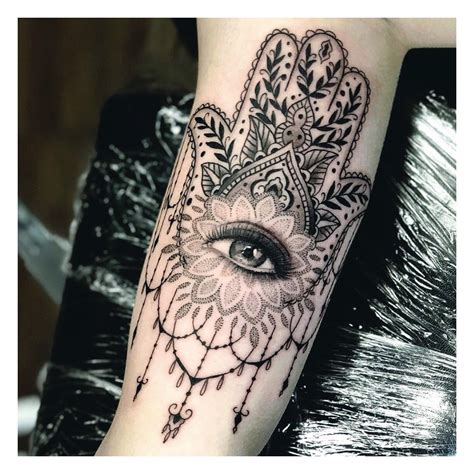
The Hamsa, also known as the Hand of Fatima or Hand of Miriam, is a powerful protective symbol that transcends cultural and religious boundaries. Its distinctive open hand design typically features an eye in the center, symbolizing protection against negative energy and the evil eye.
| Cultural Origin | Symbolic Meaning | Common Interpretations |
|---|---|---|
| Middle Eastern Cultures | Divine Protection | Warding off negative energy |
| Jewish Tradition | Spiritual Strength | Representing divine feminine power |
| Islamic Culture | Good Fortune | Bringing luck and prosperity |
Designing Your Hamsa Tattoo
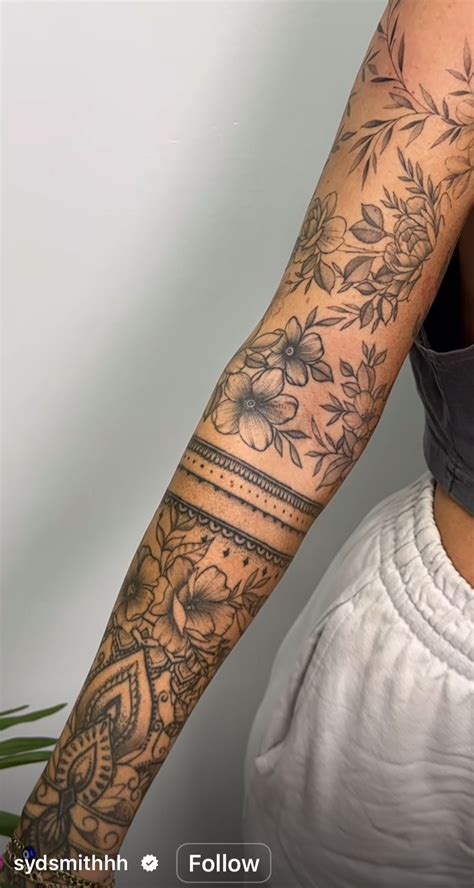
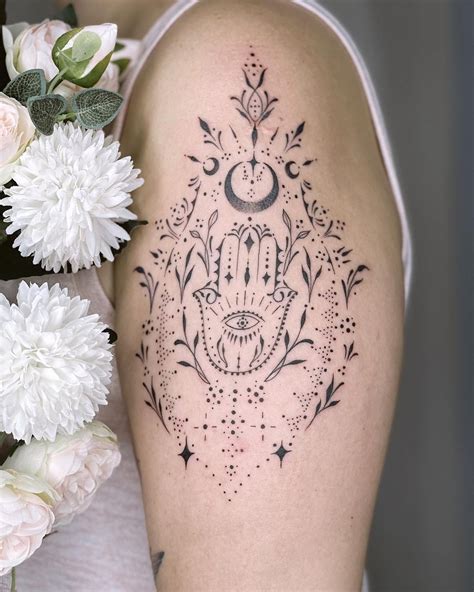
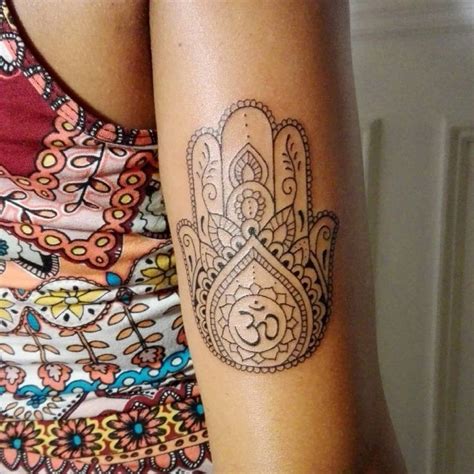
When considering a Hamsa tattoo, artists and enthusiasts have numerous design options to explore. The symbol can be interpreted in various styles, from minimalist line work to intricate, detailed renderings.
Popular Hamsa Tattoo Styles
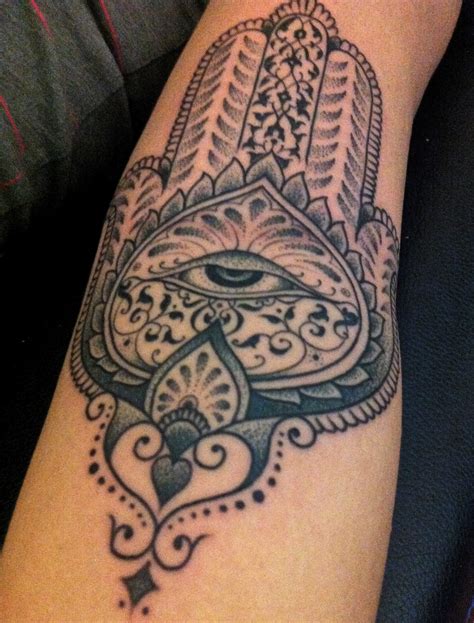
- Geometric Design: Clean lines and precise shapes
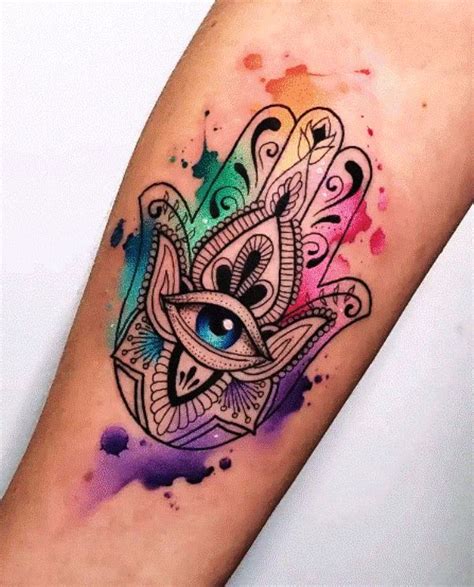
- Watercolor Approach: Soft, blended colors with a painterly effect
- Traditional Middle Eastern: Ornate patterns and intricate details
- Minimalist: Simple, clean outline with essential elements
Symbolic Placement and Meaning
The placement of a Hamsa tattoo can significantly impact its personal meaning. Many individuals choose locations that hold special significance or provide maximum visibility of this protective symbol.
Recommended Placement Options
- Inner wrist for constant protection
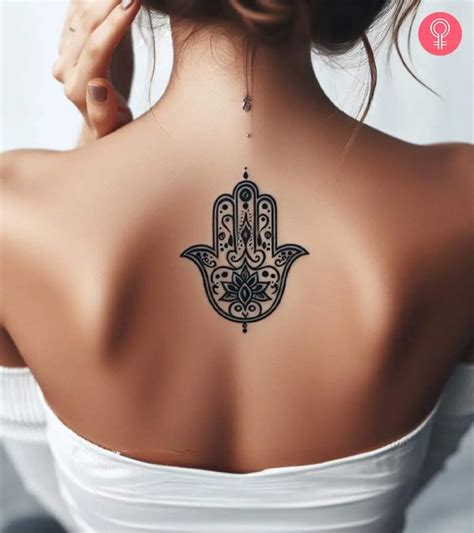
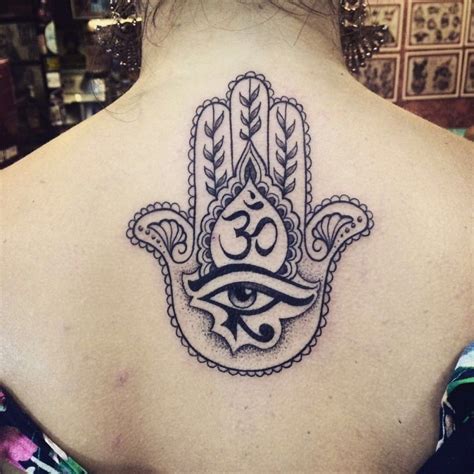
- Back of the neck for spiritual guidance
- Shoulder blade to represent strength
- Forearm for prominent display
🔮 Note: Always consult with a professional tattoo artist who understands the cultural significance of the Hamsa symbol to ensure respectful and meaningful representation.
The beauty of the Hamsa tattoo lies not just in its aesthetic appeal, but in its profound spiritual connection. It serves as a personal talisman, a reminder of inner strength, and a symbol of protection that resonates across different cultures and belief systems.
What does a Hamsa tattoo symbolize?
+
A Hamsa tattoo symbolizes protection, strength, and warding off negative energy across various cultural traditions.
Is a Hamsa tattoo culturally appropriate?
+
When done with respect and understanding of its cultural significance, a Hamsa tattoo can be a meaningful personal expression.
Where is the best place to get a Hamsa tattoo?
+
Popular placements include the inner wrist, back of the neck, shoulder blade, and forearm, depending on personal preference and symbolic meaning.